
How ChatGPT Accelerates the Work of UX/UI Designers:
A Guide to Designing with AI
What is ChatGPT in Interface Design?
- Home
back to posts
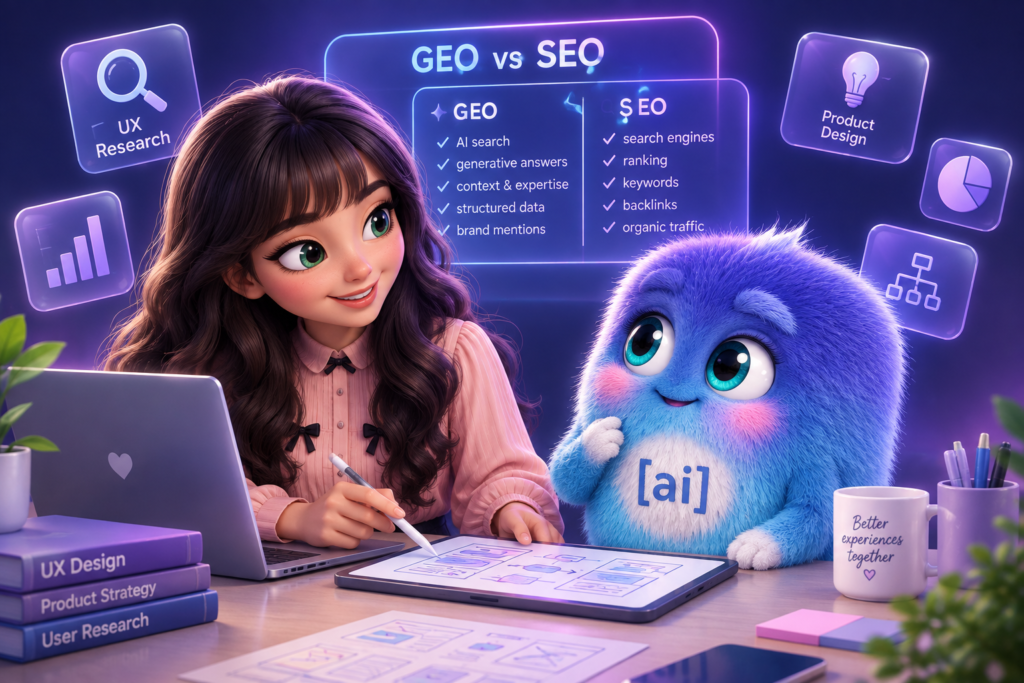
ChatGPT is a conversational assistant powered by large language models (LLMs) that supports UX/UI designers by automating user research, generating microcopy (UX Writing), and structuring information architecture. This tool acts as a design partner, reducing the time required for the analytical phase by over 40% and eliminating the “blank page syndrome” during interface wireframing.
How Can UX Designers Leverage ChatGPT in the Research Phase?
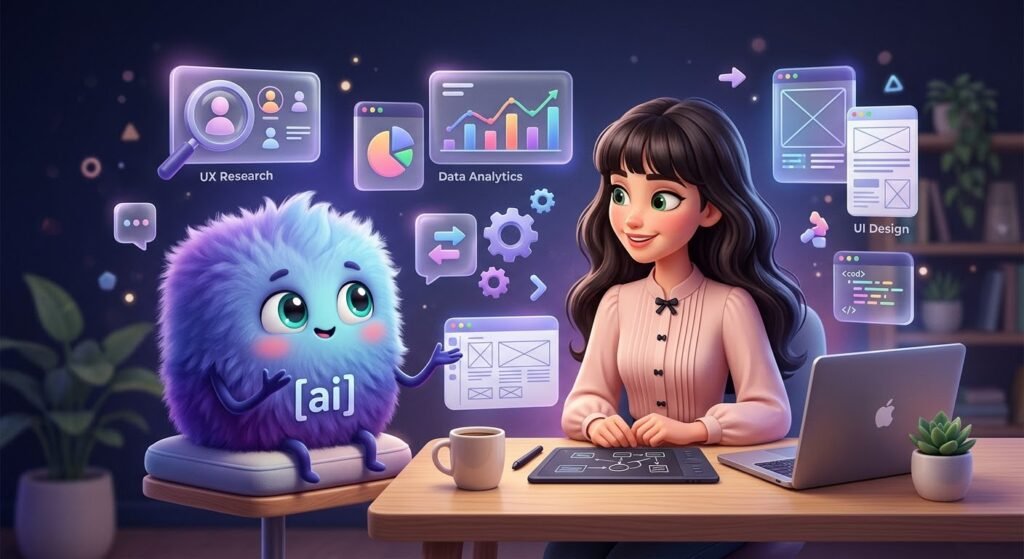
UX designers use ChatGPT for rapid data synthesis, process mapping, and the automation of repetitive analytical tasks. The LLM processes market queries and user behavior patterns to deliver ready-made research frameworks, allowing designers to focus on strategic product decisions.
- Goals and Motivations: What the user looks for in the application.
- Pain Points: The frustrations they experience in the current market.
- User Stories: Specific behavioral paths the user must successfully navigate within the system.
How Can UI Designers Leverage ChatGPT in Visual Design?
UI designers describe ChatGPT as an advanced graphic prompt generator, a technical advisor for design systems, and an automation assistant within Figma. The model eliminates the need to write manual scripts and accelerates the selection of technical interface parameters.
UX Designers become more effective.
- Unique mood boards for visual inspiration (Moodboards).
- Dedicated illustrations and icons consistent with the brand’s visual identity.
- Proposals for modern landing page textures and backgrounds.
- Generate design tokens in JSON format (colors, typography, spacing).
- Write simple JavaScript scripts that automate repetitive tasks in Figma using its official API.
- Generate clean CSS/HTML code for advanced micro-interactions and component animations.
The Role of ChatGPT in UX Writing:
Ending "Lorem Ipsum" Wireframes
Using "Lorem Ipsum" placeholder text distorts how clients perceive wireframes, which is why ChatGPT replaces it with contextual microcopy. The model adapts the tone of voice to the specific target audience and the core character of the application.
- Error Messages: Creating clear and constructive notifications (e.g., for incorrect passwords) that do not frustrate the user.
- Call to Action (CTA) Buttons: Generating natural, persuasive labels on buttons tailored to the user’s intent.
- Onboarding: Writing short, easily understandable onboarding instructions and tooltips for new users.
Comparison: ChatGPT in the UX vs. UI Process (Reference Table)
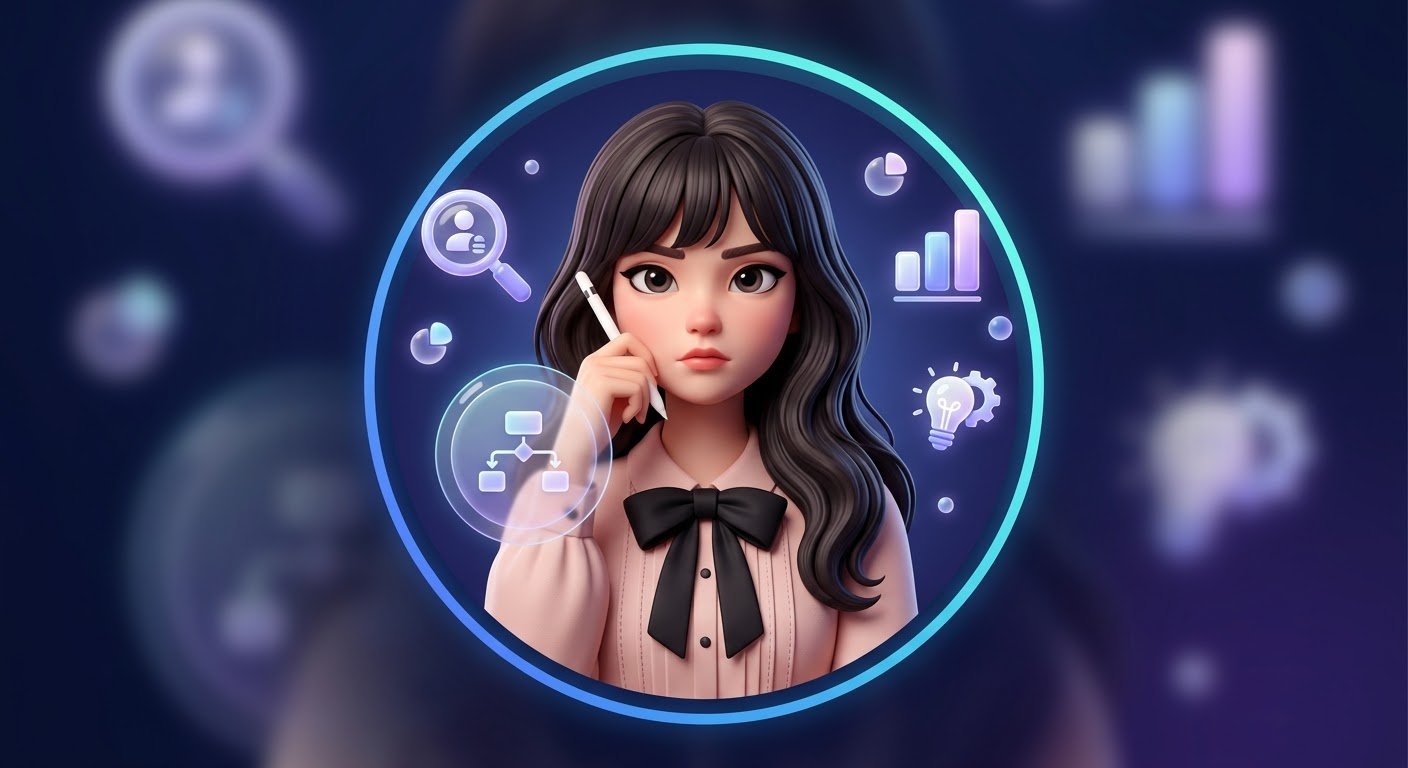
The following table refers the key applications of LLMs based on design specialization:
Side-by-side process stage:
UX vs. UI
|
Process Stage
|
Application in UX (User Experience)
|
Application in UI (User Interface)
|
|---|---|---|

Pro Tips: Maximizing ChatGPT Efficiency in the Design Workflow
To extract the highest quality outputs from ChatGPT, designers must treat the LLM as a specialized colleague rather than a basic search engine. Implementing advanced prompting techniques ensures precise, production-ready design assets.
- Example prompt:
"Act as a Senior UX Researcher with 10 years of experience in FinTech. Analyze this user flow..."
- Example prompt:
"Generate 5 error messages for a failed credit card payment. Use this tone: [Insert Example 1, Insert Example 2]."
- Example prompt:
FAQ – Frequently Asked Questions About AI Codding
No, ChatGPT will not replace UX/UI designers because LLMs lack human empathy, business context awareness, and critical thinking skills. The tool redefines the role of the designer—shifting it from a craftsman performing repetitive tasks to a strategist and curator of AI-generated content.
For textual and analytical tasks (UX research, UX Writing), the GPT-4o model is the optimal choice due to its advanced logical reasoning. To support the visual layer (UI), using GPT-4o as a prompt engineer to generate text prompts for dedicated graphic systems like Midjourney or DALL-E 3 is highly recommended.
When working on commercial projects for external clients, you must not input confidential data, source code, or proprietary business information (NDAs) into the standard chat window. A secure alternative is using a ChatGPT Enterprise subscription or the official OpenAI API, where inputted data is not utilized to train future models.